Ceramic coatings have become popular among car owners who want long-lasting gloss and easier washing. Consumer coatings now make it possible to apply one yourself. Coatings can work well, but marketing often overstates what they do. This guide explains what to realistically expect and how DIY application generally works.
Always follow the specific instructions of the product you buy, since application methods, flash times and cure times vary.
What a Ceramic Coating Is
A ceramic coating is a liquid product, often based on silica or similar chemistry, that bonds to clear coat and cures into a thin protective layer. Compared with traditional wax, coatings are generally designed to last longer and resist chemicals better.
What Coatings Can Do
- Add gloss and depth
- Make paint more hydrophobic, so water beads and sheets off
- Make washing easier because dirt releases more readily
- Provide resistance to some chemicals and UV exposure
- Last longer than many waxes and sealants
What Coatings Do Not Do
- They do not make paint scratch-proof. Wash-induced swirls and scratches can still happen
- They do not prevent rock chips. Paint protection film addresses that
- They do not eliminate the need for washing
- They do not fix existing defects; they lock in whatever is underneath
Consumer vs. Professional Coatings
Consumer coatings are designed to be more forgiving to apply. Professional products may require training and controlled environments. Durability claims vary by product and depend on preparation, conditions and maintenance; treat manufacturer durability figures as estimates.
Spray Coatings and Coating-Infused Products
Spray sealants with ceramic-style ingredients are easier to apply and are often described as “ceramic” products. They typically last less time than true coatings but are a low-commitment way to try the look and feel.
Preparation Is Everything
Because a coating locks in the surface beneath it, preparation determines the result.
1. Wash Thoroughly
Use the two-bucket car wash method to reduce new scratches.
2. Decontaminate
Use an iron remover and clay bar to remove bonded contaminants. See how to use a clay bar.
3. Polish if Needed
Polishing removes swirls and scratches so the coating locks in a clean finish. See dual-action polisher basics.
4. Panel Wipe
A panel prep spray removes polishing oils and residues so the coating can bond. Use the prep product recommended by the coating maker.
Application Steps
Environment
Work indoors or in a shaded, dust-free area within the temperature and humidity range listed by the manufacturer. Good lighting helps you spot high spots.
Applying
- Apply a few drops of coating to the applicator
- Spread over a small section in overlapping passes
- Wait for the flash time listed on the instructions, often indicated by a rainbow or sweating appearance
- Level and buff with a clean microfiber towel
- Inspect with a light for high spots, which are uneven areas of excess product
- Move to the next section
High Spots
High spots appear as dark smudges or streaks. If caught before curing, they can usually be wiped away. Cured high spots may require polishing to remove.
Curing
Keep the car dry and protected for the time specified, often at least a day. Full cure may take longer. Avoid washing with soap during the cure period given in the instructions.
Maintenance
- Wash regularly with pH-neutral soap
- Use clean microfiber towels. See the microfiber towel guide.
- Avoid harsh chemicals unless the product maker allows them
- Some makers offer topper sprays to refresh water beading
Safety
Coatings and prep products can irritate skin, eyes and lungs. Wear nitrile gloves and eye protection, ventilate well and follow safety data on the label.
Is DIY Right for You?
DIY coating suits owners who enjoy detailing and can dedicate time to preparation. If your paint needs significant correction or you want a guaranteed result, a professional detailer may be a better choice.
Questions to Ask Before You Buy
- Is my paint in good enough condition, or does it need polishing first?
- Do I have a suitable space to apply and cure the coating?
- Am I prepared for the time the preparation takes?
- What does the manufacturer say about maintenance and toppers?
Common Mistakes
- Skipping decontamination or polishing
- Applying in direct sun or high heat
- Missing high spots
- Washing too soon
- Expecting scratch-proof results
A Realistic Time Plan
Coating a car yourself usually takes much longer than the coating step alone suggests. A typical plan includes a full wash and decontamination, drying, polishing to the level you want, a panel wipe, the coating itself and a cure period with the car kept dry. Many owners spread the work across a weekend. Rushing any of these steps tends to show in the final result.
Coating Other Surfaces
Some makers sell coatings formulated for glass, wheels, trim and interiors. Paint coatings are not always suitable for these surfaces, so use products designed for each one and follow their instructions.
Final Pre-Application Check
- Paint washed, decontaminated and polished to your satisfaction
- Panel wipe completed with the recommended product
- Temperature and humidity within the label range
- Good lighting to spot high spots
- Plenty of clean, short-pile towels
- Gloves and eye protection on
- A dry place for the car to cure
A Note on Professional Installation
Professional detailers who apply coatings typically correct paint, control the environment and may offer maintenance plans. Ask what preparation is included, which product will be used and what maintenance they recommend.
Frequently Asked Questions
How long does a DIY ceramic coating last?
It depends on the product, prep and maintenance. Treat manufacturer claims as estimates.
Do I need to polish before coating?
If the paint has swirls you want gone, yes.
Can I apply a coating outside?
Only in shade and conditions within the instructions.
Will a coating stop scratches?
No. It may resist light marring but is not scratch-proof.
Can I wax over a coating?
Some makers advise against it; follow product guidance.
The Bottom Line
DIY ceramic coatings can add gloss, water beading and easier washing, but they require careful preparation and realistic expectations. Wash, decontaminate, polish if needed, apply in controlled conditions, watch for high spots and maintain the coating properly.
Editorial note: Auto Detailly is independent and reader-supported. This guide is based on research into manufacturer documentation, published specifications and widely accepted best practices; we have not been paid to mention any product. If we add affiliate links in the future, they will be clearly disclosed per our Affiliate Disclosure.
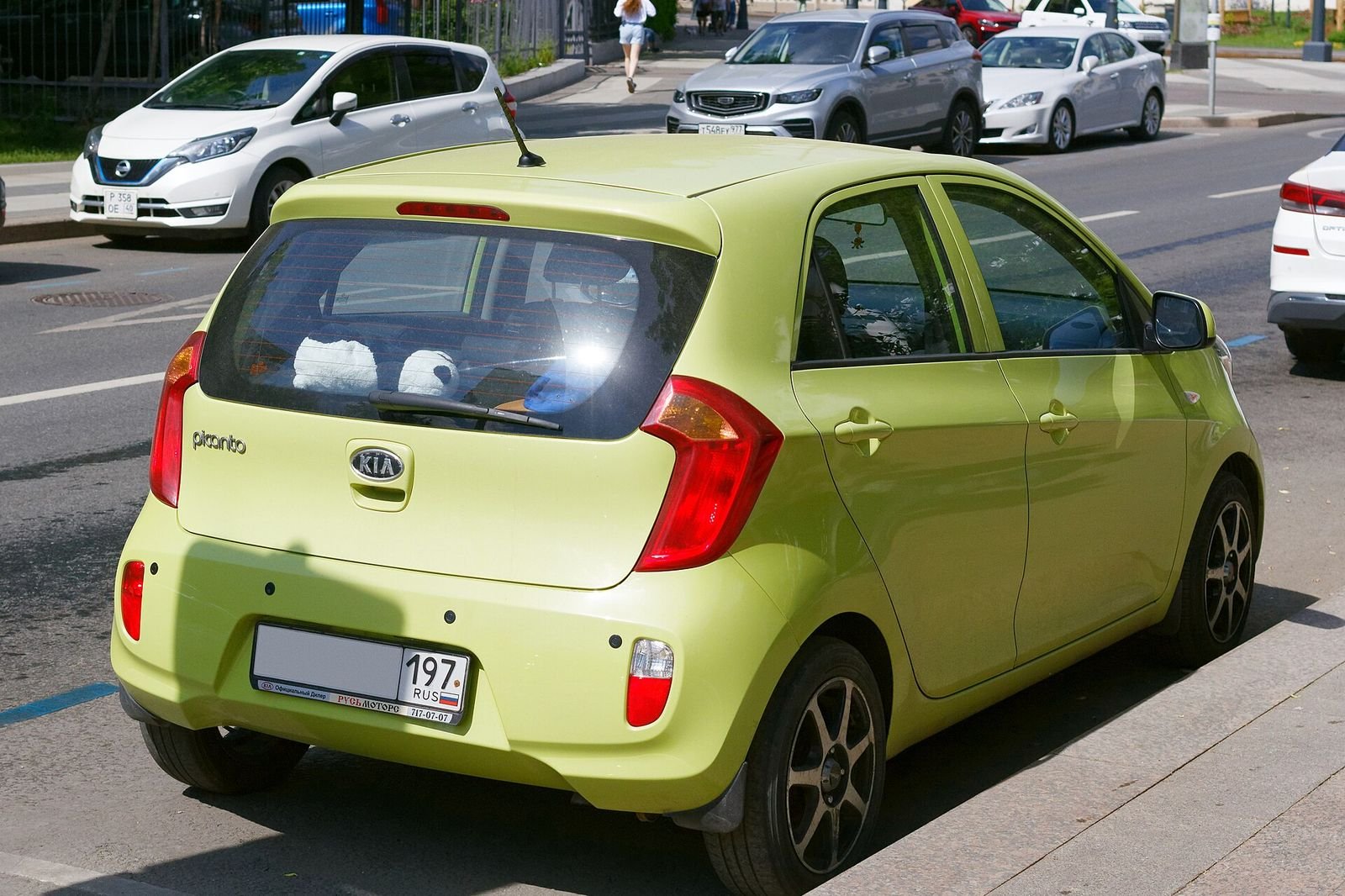
Photo: Moscow, shiny green Kia Picanto May 2025 01 by Retired electrician, CC0 1.0


